



Ed Roberts, Activist
Independent Living: Born on Campus
The origin and the purpose of Independent Living as told by Ed Roberts
John Hessler was the second student to come to UC Berkeley. Whenever we needed somebody to stare people down, it was John. He was six feet eight inches, and he had a huge wheelchair.
He went to France to study French. We got the county welfare to finance that. Then he decided he didn't really want to teach French. He came back and put the proposal together for the Disabled Student Program. That document became the model for setting up an IL program.
He went to France to study French. We got the county welfare to finance that. Then he decided he didn't really want to teach French. He came back and put the proposal together for the Disabled Student Program. That document became the model for setting up an IL program.
John was the one who thought through a lot of the fundamental issues of what would be IL. We knew from the services that helped us live that you had to have a personal assistance program and a way to find [attendants]. You had to have money to do that, so you had to guarantee people would get enough help in the community, transportation, all that. As we began to put together a lot of issues, we saw how powerful a peer could be in the life of someone with a disability.
Our Disabled Student Program at UC Berkeley was so successful. We taught people how to use the welfare system to survive and enroll in the University. We got to know the welfare regulations better than the people who worked in those agencies. We knew all the loopholes.
We got a van. By then, John Hessler was the director of the Disabled Students Program. He was a quad, and he could drive it. We kept pushing the Department of Rehab to buy those kinds of things for people.
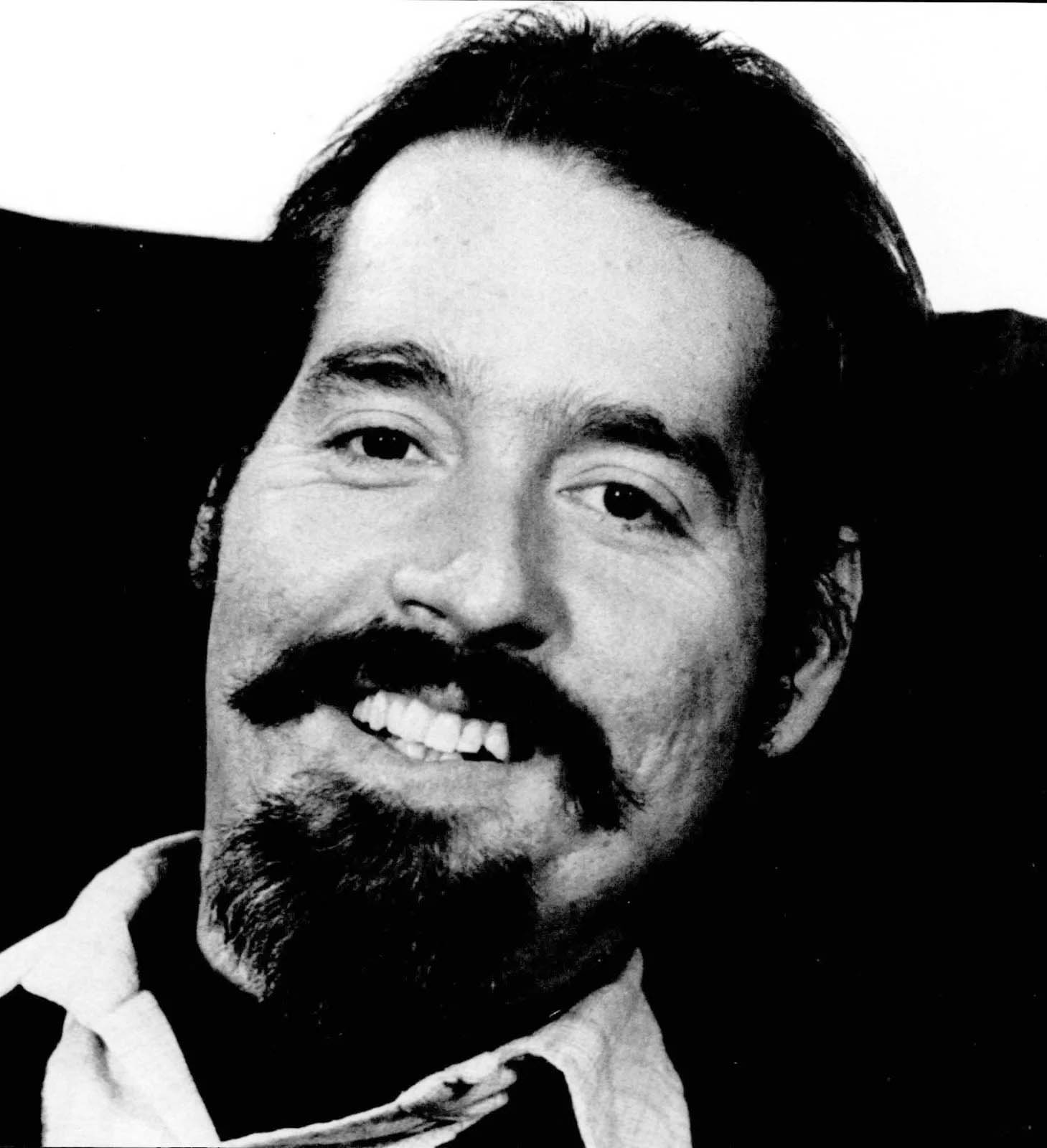
Ed Roberts
We ensured our people received the maximum amount of attendant care. When we found it very difficult, we went to the state and got the regulations for it. We began to be perceived as political animals. That changes your perception to powerful.
As you become increasingly empowered, you see yourself as powerful, too. We realized that the only way to change things was through politics.
Consistently, other people had spoken for us. We were talking to ourselves. We received many comments from legislators about how important it was to hear it directly from us. We had a lot of credibility. We began to get involved in local elections. Volunteering time to help politicians. We recruited friends and attendants to do that work too. It gets you known in politics to do all that.
At our Disabled Student Center, we were the only ones providing attendant services. This was during the Vietnam War. There were a lot of Conscientious Objectors then, wonderful people. I talked with the [county's] head of selective services [the draft board] and suggested he turn those C.O.'s over to us.
We explained it so he could get it: that it would be punishment for them, having to scoop up our shit. We'd teach them responsibility, see? He gave us hundreds of C.O.'s for attendants. They were great attendants who were loyal, who stuck with us.
That was the only bad thing about ending the Vietnam War. We lost our C.O. attendant pool.
The University finally said we had to stop serving non-students. So we moved out into the community with independent living services. It started in one room in 1972, then in a two-bedroom apartment. It struggled a lot to get going.
I took over as director. We began to raise some money. We knew we had something important, and it worked. We were very clear that if we were going to be politically powerful, we had to involve all people with disabilities, break down the barriers the charities had created between us.
An IL had to be an IL for all groups and all ages, not just for people with physical disabilities. This was clearly a political decision. We weren't going to get anywhere nationally or internationally unless we were together. The CIL immediately took off.
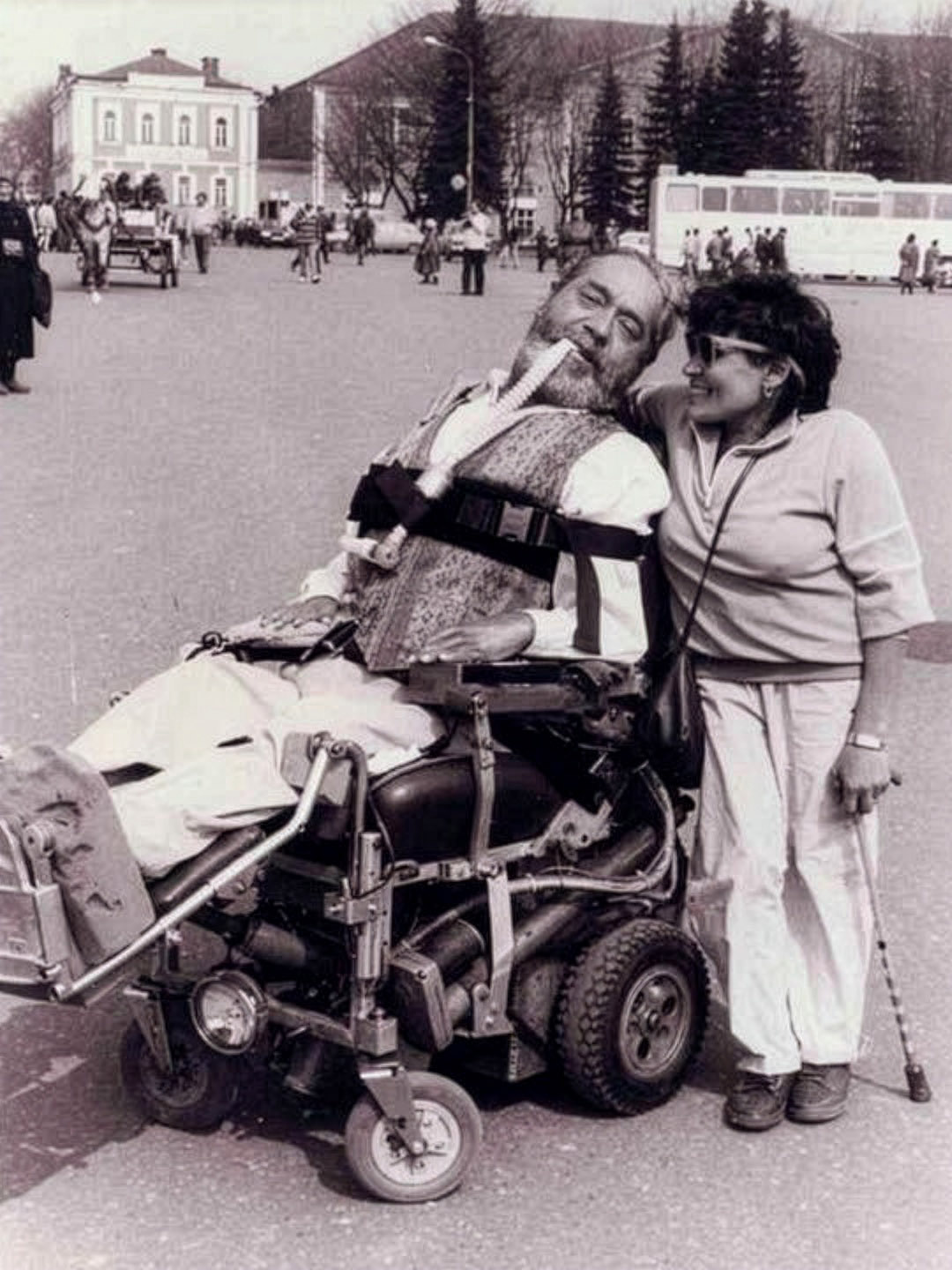
Ed Roberts and Judy Heumann
All of us who started the first Center for Independent Living were on welfare.
We made a conscious decision not to go off it.
We built that center on welfare. None of us could take a salary of more than $300 and still get the welfare, so that's how we did it. I didn't go off welfare until I became California Rehab Director in 1975. In 1976, we started twenty more CILs.
When an IL gets involved with a person with a significant disability, acute care costs go way down. It is a link to life. People who are going out and are motivated don't get sick as much.
Even today (1993), there are 83,000 people with cerebral palsy locked up in nursing homes. They're only in prison because of their disability. If you're going to get out of there, you've got to fight.
We can do that right now, get older folks, get everybody out of nursing homes.
What would I do differently if we were starting IL today? First, I would do a lot more training, getting people in touch with the history and philosophy. Today, we are not grounded in our own ideology.
Second, I would build more leadership as we go along. Give people the same basic activist training we got at UC Berkeley [in the anti-war movement, the women's movement, the free speech movement, the civil rights movement] in the Sixties.
All too often, people make IL their career. Initially, it was this: We go in, learn to do jobs, move on in a few years, and let other people get those jobs—while we move on to take over government agencies, take over those old-time charities, and take the IL philosophy to them.
Third, the leadership would be around political advocacy, around political change, rather than around one advocate working to get services for one person.
We discovered that over and over. All things change when you get political power.
Politics changes lives.
CILs should be the leaders in a national campaign against sheltered workshops. We should be doing that now.
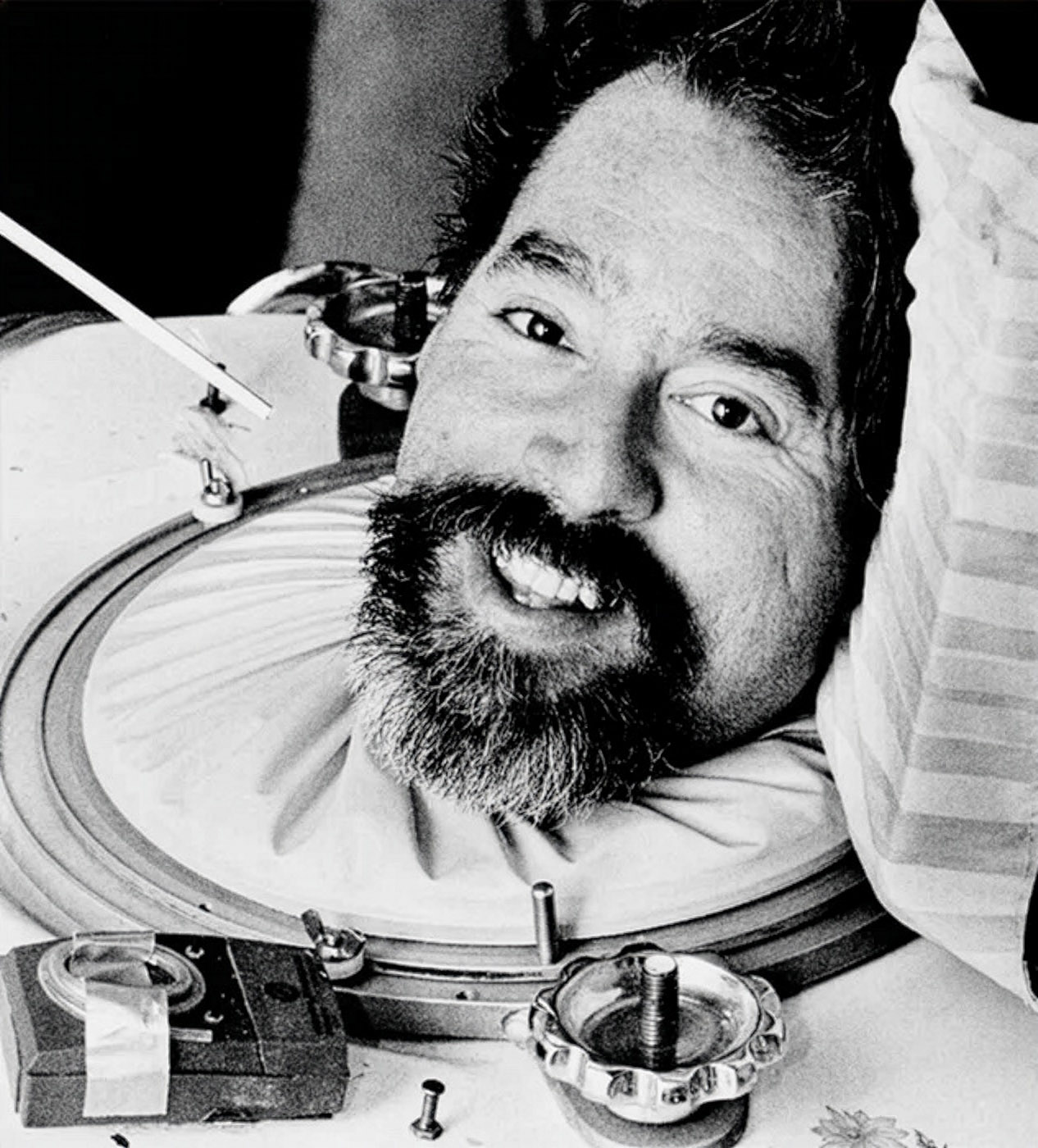
Ed Roberts rafting
A person with a disability should be running the center. Yes, we should include parents and friends. I'd like to see much more teamwork at CILS under disability leadership.
We should be helping parents get kids into regular schools. We should be committing to a generation of young people with disabilities, so that they know their history. CILs don't teach enough of our history and ideology. Too many teach us to suppress our anger, not to use it! If anything, we're too passive. Anger is terrific if you channel it into energy and learn. It's terrible when you take it out on yourself or the people you love. Yes, I'm still angry. Lots of professionals make me angry. They're too much in control of our lives. People with disabilities are aging. I see them putting their own parents into nursing homes—parents who took care of them all their lives! This has to stop. We have not aligned ourselves strongly enough with older people. They are written off, written off.
We are still a long way from working equally with people with mental disabilities. We need attendant programs for people with emotional and cognitive disabilities. It could work great. Nobody's doing it.
We were strong integrationists and inclusionists in the early days of Independent Living.
When you look at many ILs, you see the white middle class. I'm glad there are a lot of women in it, which grew out of the women's movement. CILs don't do enough recruiting from Asian, African, and Hispanic communities. There are a few CILs starting to appear on Native American reservations, which is good.
We would never do a government agency's job. We didn't want to set up a segregated transportation system. Getting people places is the transportation system's job! Our job is to hold them accountable.
I watch CILs who are doing transportation, building houses, or delivering services—instead of holding agencies accountable, we take over their services.
If the system co-opts us, we are in trouble. More important than being service deliverers is being advocates. We're too heavy into social services. Yes, it's easier to get money that way, but it's harder to get advocacy. We're losing the ideology of independence.
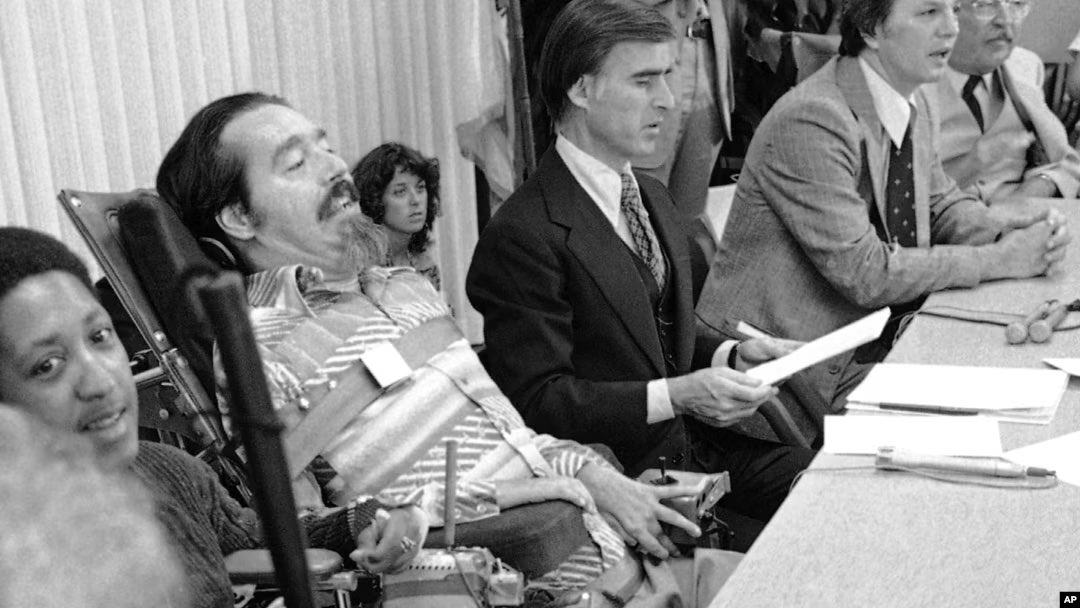
Ed Roberts
The IL movement is at a crossroads. It's growing internationally, but not very much here at home. Many centers are not in touch with their philosophy or meaning. IL looks a lot like UCP and MDA.
Because Governor Reagan threatened us so much, he helped us come into our own as a group. Many of the people I worked with over the years, fighting the Reagan cuts, were close to [Jerry] Brown, and together we decided to get me appointed. So for months, everywhere Jerry Brown and Mario Obledo went, they kept hearing about me. Soon they started asking, 'Who is this guy?' And when they came to CIL, they found out. They'd never seen disabled people working like that.
[When Governor Jerry Brown appointed Ed Roberts head of California VR], I made no bones about the fact that my loyalties were not to them, but to people with disabilities. And I told them that I would probably get them into a lot of trouble, that it would mean shaking up the old ways.
I did get Brown in some trouble. But, to his credit, while he asked a lot of questions about what I was doing, he also let me know what I had to do.
We have a lot of disabled people to work with. We helped write national laws about disability. We helped write state laws about building accessibility, transportation, and architectural barrier removal. California is the farthest along of any state in the nation because we were active. It's the only state that has legislation mandating accessible buses.
Through all these experiences, I learned that if I was to be free, if I was going to be independent, if I was going to lead my own life, then I had to fight for it.